


JHTC (Xiamen) Import and Export Co.Ltd is a large-scale professional outdoor equipment manufacturer and exporter. Founded in 2010, our company has more than 10 years of experience in manufacturing and exporting outdoor products. We focus on the OEM and ODM of outdoor products, including ice bags, water bags, waterproof bags, backpacks, folding chairs, hiking poles, etc. JHTC has an experienced R&D team to design and develop new products and provide professional services to customers.
Our Advantages
One-Stop Service
JHTC provides one-stop services to its customers, including product design, unique surface treatment, customized logos, individual packaging, etc. All processes have strict quality control.
Rich Experience
We have more than 10 years of export experience. Ice bags, water bags, waterproof bags, backpacks, folding chairs, hiking poles, and other series of products have been widely welcomed by customers in Germany, the Netherlands, the United States, Canada, and other countries.
Strict Quality Control
Our professional quality control system and R&D department use well-made raw materials to manufacture each product, and our products are 100% tested.
Humanized Service
Well-trained professional engineers and staff can provide our customers with customized solutions. Staff will respond to your inquiries within 24 working hours and promptly meet customers' repair and replenishment needs for defective products.
-
![Waterproof Bike Pannier Backpack]() Waterproof Bike Pannier Backpack
Waterproof Bike Pannier BackpackMaterial: Waterproof PVC Net Clamping Cloth. Color: Black. Fit for: Road bike, MTB, BMX. Capacity: 30L. Features: Waterproof
-
![Bike Rear Rack Bag Waterproof]() Bike Rear Rack Bag Waterproof
Bike Rear Rack Bag WaterproofMaterial: PVC tarpaulin. Color: Black. Fit for: Road bike, MTB, BMX. Capacity: 10L. Features: Waterproof
-
![Ebike Battery Charging Bag]() Ebike Battery Charging Bag
Ebike Battery Charging BagMaterial: Fire-resistant / heat-resistant fabric. Features: Fire Protection & WaterproofColor: Black. Portability: Carry handles includedCustomization: Logo / size / material / packaging availableOEM
-
![Waterproof Cycle Panniers]() Waterproof Cycle Panniers
Waterproof Cycle PanniersMaterial: 1000D polyester material. Color: Yellow. Fit for: Road bike, MTB, BMX. Capacity: 18L. Features: Waterproof
-
![Double Bike Panniers]() Double Bike Panniers
Double Bike PanniersMaterial: Durable 300D Polyester Fabric. Color: Black. Fit for: Road bike, MTB, BMX. Capacity: 28L. Features: Waterproof
-
![Small Triangle Bike Bag]() Small Triangle Bike Bag
Small Triangle Bike BagMaterial: high-strength nylon and diamond mesh construction. Color: Black. Fit for: Road bike, MTB, BMX. Capacity: 1.7L. Features: Waterproof
-
![Large Under Seat Bike Bag]() Large Under Seat Bike Bag
Large Under Seat Bike BagProduct name: Bike Saddle BagMaterial: Double-layer Waterproof PVC FabricColor: BlackFit for: Road bike, MTB, BMXCapacity: 13LFeatures: Waterproof
-
![Road Bike Bar Bag]() Road Bike Bar Bag
Road Bike Bar BagMaterial: High-quality PU fabric material. Color: Black. Fit for: Road bike, MTB, BMX. Capacity: 2.7L. Features: Waterproof
-
![Bike Burrito Bag]() Bike Burrito Bag
Bike Burrito BagMaterial: 900D oxford fabric coated with PU. Color: Black. Fit for: Road bike, MTB, BMX. Capacity: 2.4L. Features: Waterproof
-
![Mountain Bike Frame Pack]() Mountain Bike Frame Pack
Mountain Bike Frame PackMaterial: high-strength nylon and diamond mesh construction. Color: Black. Fit for: Road bike, MTB, BMX. Capacity: 1.7L. Features: Waterproof
-
![Bike Tube Pack]() Bike Tube Pack
Bike Tube PackMaterial: Adopting a new material - Oxford cloth. Color: Black. Fit for: Road bike, MTB, BMX. Capacity: 1L. Features: Waterproof
-
![Top Tube Phone Bag]() Top Tube Phone Bag
Top Tube Phone BagMaterial: Adopting a new material - Oxford cloth. Color: Black. Fit for: Road bike, MTB, BMX. Capacity: 1L. Features: Waterproof


A bicycle bag, also commonly referred to as a bike bag, is a type of bag designed specifically for use with bicycles. These bags serve various purposes and come in different styles and sizes to cater to the diverse needs of cyclists.

Different Types of Cycling Bags
Riding a bike with a backpack is only ok for short distances, for several reasons. First, a backpack puts your center of gravity higher than normal, which makes balancing and maneuvering slightly more difficult. Second, most backpacks aren’t designed to be used for cycling and put stress on the bent spine of the rider. Riding with a pack is only recommended for short rides with a low cargo weight.
Also known as saddlebags, panniers allow you to carry all of your belongings with little extra effort. Panniers mount onto bicycle racks with a system of hooks, clamps and/or springs. Pannier bags actually add to the stability of your bike by lowering the center of gravity. Ideally, weight in pannier bags should be distributed equally between both sides, especially if you are carrying more than 10 or 15 pounds of gear.
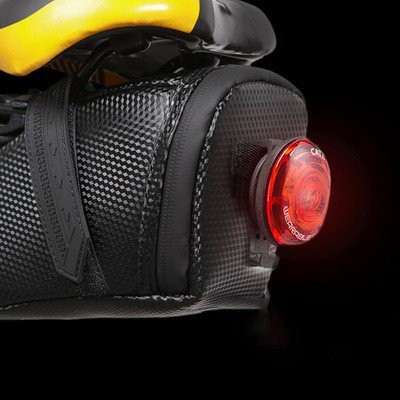
Also known as seat bags, saddle bags are small pouches that are designed to nest underneath your saddle and attach to your rails and seat tube. Saddle bags are designed to hold the necessities that you should have on every ride, such as an extra tube, tire levers, patch kit, multi-tool or a cell phone.
For an in-between size bag, many choose a rack trunk (also called a trunk bag), a type of bag that mounts easily on top of the rear rack. Rack trunks strap on top of the rear rack firmly or even slide into place on the rack itself. They hold gear in a more sheltered position than panniers. They can also be combined with panniers for more storage area, all of which can be protected from the rain; like panniers, rack trunks sometimes come with rain covers or are made completely waterproof.
The final type of common bag on the market is the handlebar bag, which unsurprisingly mounts on the front of the handlebars via straps or clamps. This type of bag is ideal for items that you want to have easy access to during quick stops on the side of the road or trail, like a camera, snack, or a map (some models have purpose-built clear plastic pockets on the front of the bag so maps can be mounted for easy viewing even while riding).
Benefits of Cycling Bags

Convenience
Bike bags are essential accessories that provide cyclists with a convenient and efficient way to carry their belongings while riding. These versatile bags come in various styles, including panniers, handlebar bags, seat bags, backpacks, and more, each offering unique benefits to enhance the cycling experience. One of the primary uses of bike bags is to transport gear during rides. Whether it's commuting essentials, clothing, tools, snacks, or personal items, bike bags offer ample storage space to accommodate a wide range of needs. They keep items secure and easily accessible, allowing cyclists to have their essentials at hand throughout their journey.

Stability
Bike bags also contribute to the overall balance and stability of the ride. Proper weight distribution is crucial, and bags designed for specific locations on the bicycle, such as panniers on the rear rack or handlebar bags, help maintain balance by evenly distributing the load. This promotes a more comfortable and controlled cycling experience.

Versatility
The versatility of bike bags makes them suitable for various cycling activities. Commuters benefit from panniers or backpacks that securely store work essentials or groceries. Handlebar bags offer easy access to navigation devices, snacks, or small tools. Seat bags provide compact storage for spare tubes, repair kits, or personal items. Backpacks are excellent options for carrying larger loads during bikepacking trips or long rides.
Safety
In addition to practicality, bike bags can enhance safety on the road. Some bags feature reflective elements or attachment points for lights, increasing visibility and promoting cyclist safety during low-light conditions or night riding.
Application of Top Tube Bags
For Navigational Purposes:
These top tube bags are typically designed for functional use. They are normally cheaper and are usually wider than most other top tubes in order to fit a mobile phone in. They, therefore, aren’t suitable for performance but enable you to use your phone for navigation. Your phone is protected by a waterproof cover, but these bags are limited in space for anything else - small accessories only.
The pros and cons:
Easy to see the phone screen
Plenty of cheap options available
Poor storage space
Wide design to accommodate phone can be ungainly
For Commuting or Bikepacking:
Top tube bags for commuting or bikepacking generally have a greater capacity to fit more in them, as well as more options for fixing. There is also a lot more variety in design, depending on the length and nature of your cycle trip, but they don’t usually come with a phone mount. A top tube bag is a great addition to commuters or bikepackers as it provides accessible storage for snacks, electronics, and repair kits. Given their use, these bags should guarantee waterproofing and be easy to access.
The pros and cons:
Unlikely to have a phone mount
Greater capacity for essentials
More flexibility in shape and design
Variety of fixing options to improve sturdiness

For Performance Use:
Triathletes and performance riders use a more aerodynamically designed top tube bag, which usually has zippers that go through the middle of the bag. This provides easy access to gels and fuel on the go. As they are designed for performance, these top tube bags tend to be thinner to avoid any rubbing against your knees. They are also lighter, but capacity is reduced because of the width.
The pros and cons:
Aerodynamic design
Perfect for snacks and gels on the go
Capacity typically small due to narrow width
Ease of access with middle zipper
Materials Used in Cooler Bags
There are three primary types of foam insulation that the brands use in their cooler
How to Choose the Right Cycling Bag?
Size Matters
Consider your storage needs. If you’re a long-distance cyclist, opt for a larger bag. For short trips, a smaller bag might suffice.
Attachment Mechanism
Ensure the bag is compatible with your bike. Some bags use Velcro straps, while others have quick-release systems.
Weather Resistance
Look for bags made from durable, weather-resistant materials to protect your belongings from rain and moisture.
Ultimate FAQ Guide to
Q: How does a bike bag work?
Q: What is a bike bag?
Q: Are cycling bags durable?
Q: Are cycling bags commonly used?
Q: How to maintain cycling bags?
Regularly clean the bag to remove dirt and debris.
Check straps and zippers for wear and tear.
Store the bag indoors when not in use to prevent exposure to harsh weather.
Q: What is a cycling handlebar bag?
Q: What are the advantages of using a cycling bag?
Bike trunk bags offer a streamlined storage solution, reducing the need for bulky backpacks or messenger bags. This means less wind resistance and improved aerodynamics while cycling.
2. Convenience and Accessibility
With easy-to-reach compartments, you can access your essentials on the go. Most trunk bags come with multiple pockets and dividers for organized storage.
3. Enhanced Commuting Experience
For commuters, bike trunk bags provide a practical way to carry laptops, work attire, and daily essentials. Say goodbye to crowded public transport!
Q: Should I get a top tube bag?
Q: What are top tube bags?
Q: What makes a great top tube bag?
Q: What is a frame bag?
Q: What is the best material for a bike bag?
Q: Can a saddle bag only be used on road bikes?
Q: How does a bike bag work?
Q: What is a trunk bag?
Q: Can I attach a cycling bag to my bike?
Q: What are the benefits of a cycling bag with reflective details?
Q: How to choose a frame pack?
When choosing a frame pack for bikepacking, consider:
Fit: You want to find a frame pack that fits your bike well. You may be able to find one made specifically for your bike, or there are universal ones that will likely work. Pay attention to where the attachment straps are and how they align with your bike’s cables. A pack that fits well will be nice and secure with minimal movement while you’re pedaling.
Size/Volume: There are frame packs that take up nearly the entire triangle, or you can get one that only partially fills it. Larger packs can hold more, but they often don’t work well with rear suspension, and they will likely prevent you from mounting bottle cages inside the triangle. Choose the size that best fits your bike and provides enough space for packing.
Organization Pockets: Some frame bags have multiple pockets, which can make stowing and finding items easier.
Q: What is the difference between backpacks and top tube bags?
Top Tube Bags: Usually a tad bigger than stem bags, top tube bags attach to the top of your top tube, behind your head tube or in front of your seat post. Like a stem bag, they are great for holding small items that you want access to while pedaling. When shopping, consider things like storage volume and how the bag will fit on your bike. Also, make sure the bag won’t interfere with your pedaling at all.
Q: Why is it important to bring along a cycling bag when out for cycling? Have you experienced a flat tire in the middle of your ride? Have you experienced a flat tire shortly after leaving your home? Have you experienced being stuck in a remote area with a flat tire?
As one of the most professional cycling bags manufacturers and suppliers in China, we're featured by quality products and good service. Please rest assured to wholesale high-grade cycling bags at competitive price from our factory.
Bicycle Front Frame Bag, Bike Frame Storage Bag, Best Cycling Frame Bags

